
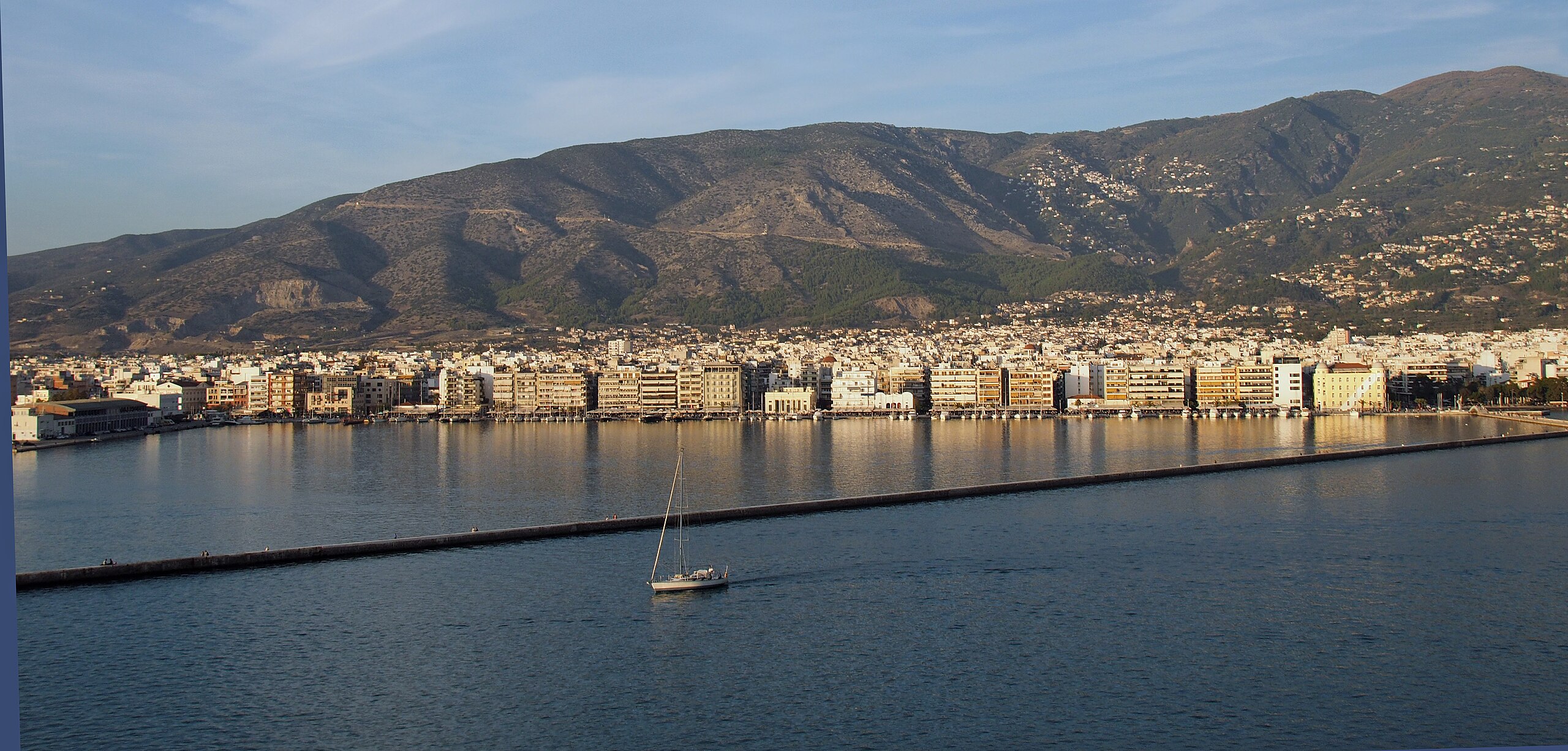
Volos
About Volos
Volos is a beautiful seaside city in Thessaly, known for its combination of sea, mountains, and rich cultural heritage. Built on the Pagasetic Gulf, it offers stunning views of the water and serves as an ideal base for exploring both the city and the enchanting Pelion region.
The city is famous for its seaside promenade, lively streets, traditional tsipouro taverns, and vibrant everyday atmosphere. Visitors can enjoy walks by the sea, discover local cuisine, and explore important landmarks such as the Archaeological Museum of Volos and the historic area of Palia.
Volos is a destination that combines the comfort of a modern city with the beauty of nature. With easy access to the picturesque villages of Pelion, nearby beaches, and cultural attractions, it offers a unique experience filled with flavors, history, and authentic Greek hospitality.
No photos yet. Be the first to share your experience!
No photos yet. Be the first to share your experience!
YouTube Videos
Cafes & Restaurants In Volos
 Restaurant
 CafeCafe
 CafeCafeCafe
Showing 6 of 24
What To Do In Volos
Tours, activities and experiences you can book online
Based on recent schedules. Experiences with unknown schedules remain visible; confirm your date and price on the experience page.
Type
Duration
Rating
Price
Category
Sort by
 Tour
TourEast Pelion Mini Boat Tour
5.0Explore the stunning East Coast beaches of Mountain Pelion with our daily boat tours! Start your journey from Agios Ioannis port to Damouch
 Tour
TourPelion Boat Trip to "Poseidon's Caves"
5.0Embark on a thrilling journey from North Pelion's coasts to the legendary Caves of Poseidon! A 45-50 min speedboat ride from Agios Ioannis l
 Experience
Volos transfer to Athens, Athens airport and Thessaloniki airport
5.0Transfers from Volos to Athens and to Athens international airport is the most popular destinations. We will pick you up from the suggested
 Tour
TourVolos: Meteora Private Full Day Tour with a Local
5.0Ready? Embark on and enjoy a lifetime experience on a place where the grandeur of nature meets the human ingenuity and spirituality. The spe
 Tour
TourPrivate Tour to Meteora Rocks from Volos
5.0Take the chance to visit one of the most unique places in Greece and not only ! It was characterised by UNESCO as a world's cultural heritag
 Activity
Cook like a local Greek Cooking lesson in Mt Pelion Greece
5.0Are you in Volos city (Greece) and you interesting in culinary experiences? Learn how to make - open phyllo dough by the traditional way f
Showing 6 of 42
We may earn a commission when you book through Viator.
Reviews
No reviews yet. Be the first to share your experience!