TUSCANY TUSCANY
 |
Tuscany is often seen as the quintessential image of Italy, where landscape, art, and history align with a rare sense of harmony. It is a region defined less by a single feature and more by the balance between its elements—rolling countryside, carefully preserved cities, and a cultural legacy that feels deeply embedded in everyday life.
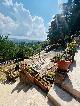
The Tuscan landscape is immediately recognizable. Soft hills rise and fall in long, measured lines, covered with vineyards, olive groves, and cypress trees that punctuate the horizon. Light plays a central role here, shifting throughout the day and giving the terrain a warm, almost painterly quality. Rural roads wind through this scenery, connecting farmhouses and small villages that seem to exist in quiet continuity with the land.
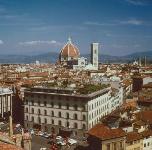
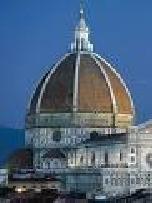
At the heart of the region lies Florence, a city that shaped the course of European art and thought. Its streets, churches, and galleries hold the legacy of the Renaissance, where figures like Leonardo da Vinci and Michelangelo once worked. The atmosphere is dense with cultural significance, yet still very much alive.
Beyond Florence, towns such as Siena and San Gimignano offer a more intimate scale, with medieval streets, stone buildings, and open piazzas that reflect a slower rhythm of life. Each place carries its own identity, yet all share a connection to the surrounding landscape.
Tuscany’s coastline and countryside add further depth. From quiet rural valleys to stretches of the Tyrrhenian Sea, the region maintains a sense of cohesion rooted in its natural forms and long history of cultivation.
What defines Tuscany is its consistency of atmosphere. It feels composed rather than dramatic, where beauty emerges through proportion, texture, and time. The experience is not overwhelming but steady—an immersion into a place where art, land, and life have evolved together over centuries. |
|



 Greek
Greek  English