APULIA APULIA
 |
|
|
Apulia—known in Italian as Puglia—stretches along the southeastern edge of Italy, forming the long, sunlit “heel” of the peninsula. It is a region defined by openness: wide horizons, low-lying landscapes, and a coastline that seems to unfold endlessly between the Adriatic and Ionian seas.
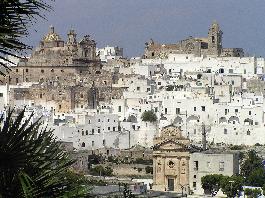
Unlike the mountainous interiors found elsewhere in Italy, Apulia is largely flat or gently rolling. This gives the land a spacious, almost minimalist quality, where olive groves extend for miles and whitewashed towns rise subtly from the earth. The light here is strong and constant, bleaching walls to bright tones and casting sharp, clean shadows that define the architecture.
One of the region’s most distinctive sights is found in Alberobello, where clusters of trulli—small, circular stone houses with مخروط-shaped roofs—create a landscape that feels almost surreal. Elsewhere, towns like Lecce showcase elaborate Baroque architecture carved from warm, honey-colored stone, glowing softly in the evening light.
The coastline shifts character as it runs along the region. On one side, cliffs and rocky coves drop into clear, vivid water; on the other, long sandy beaches offer a more relaxed, open feel. Fishing villages and small ports maintain a close relationship with the sea, where daily life is still tied to its rhythms.
Apulia’s culture is grounded and unpretentious. Food plays a central role—simple, seasonal, and deeply local. Handmade orecchiette pasta, fresh vegetables, olive oil, and seafood define the cuisine, reflecting both the agricultural richness of the land and the accessibility of the coast.
What sets Apulia apart is its quiet authenticity. It doesn’t rely on dramatic contrasts or grand spectacle; instead, it offers a steady, immersive experience shaped by light, space, and continuity. The region feels both ancient and immediate, where traditions are not preserved for display but continue as part of everyday life. |
|



 Greek
Greek  English





 Map
Map