CABRAS CABRAS
 |
|
|
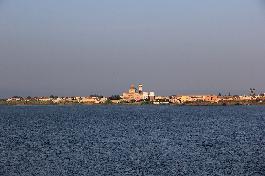
Cabras sits on the western coast of Sardinia, near a broad lagoon that blurs the line between land and sea. The town feels grounded and unpretentious, shaped more by water, wind, and tradition than by modern tourism. Its identity is closely tied to the rhythms of fishing and the quiet productivity of the surrounding wetlands.
At the center of life here is the Cabras Lagoon, a wide, shallow body of water that reflects the sky in muted tones. It is not dramatic in the usual sense, but it carries a calm, almost meditative presence. Fishermen move across it in low boats, continuing techniques that have been passed down for generations, particularly in the harvesting of mullet and the production of bottarga, a local delicacy with a deep, briny flavor.
The town itself is modest, with simple buildings, quiet streets, and a strong sense of continuity. Daily life unfolds without urgency, and visitors often find themselves adjusting to a slower pace. Small trattorias and family-run spots serve food that reflects the lagoon and the nearby sea—fresh, direct, and rooted in local knowledge rather than presentation.
Not far from Cabras lies one of Sardinia’s most striking archaeological sites, the Tharros. Set on a narrow peninsula facing the open sea, its ruins stretch along the coastline, shaped by Phoenician, Punic, and Roman influences. Walking there feels exposed and elemental, with wind, salt air, and history blending into a single atmosphere.
Further inland, the landscape opens into flat expanses dotted with fields and low vegetation, while the nearby coastline reveals long beaches of pale sand, such as those in the Sinis Peninsula. These shores often feel spacious and relatively untouched, with clear water and a sense of distance from busier parts of the island.
Cabras does not present itself as a polished destination. Instead, it offers something quieter and more grounded—a place where tradition is still functional, where the environment shapes daily life, and where the experience is defined by subtle details rather than spectacle. |
|



 Greek
Greek  English




 Map
Map