BELGIUM BELGIUM
 |
|
BELGIUM AREAS
BRUSSELS
|
Belgium is a compact yet culturally dense country in Western Europe, positioned between France, Germany, Netherlands, and Luxembourg. Despite its small size, it offers striking geographic diversity, layered history, and a sophisticated culinary identity.
Belgium is broadly divided into three regions:
Flanders (north): Dutch-speaking, characterized by flat polder landscapes, sandy beaches along the North Sea, and historic port cities.
Wallonia (south): French-speaking, defined by rolling hills, dense forests, and the rugged Ardennes highlands.
Brussels-Capital Region: Officially bilingual and home to the national capital.
The Ardennes in southern Belgium are particularly known for medieval castles, river valleys, and outdoor activities such as hiking and kayaking.
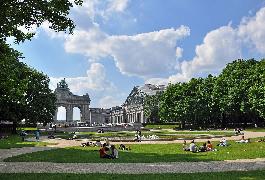
Brussels - The capital blends medieval and modern. The Grand Place, a UNESCO-listed central square, showcases ornate guildhalls and Gothic architecture. Brussels also functions as a major political hub, hosting institutions of the European Union.
Bruges - Often described as a “medieval fairy-tale city,” Bruges features cobbled streets, canals, and well-preserved Gothic buildings. Its historic center is also UNESCO-listed.
Ghent - A lively university city with dramatic medieval architecture, including Gravensteen Castle and towering church spires.
Antwerp - Known for fashion, diamond trading, and baroque heritage, particularly connected to the painter Peter Paul Rubens.
Belgium has three official languages—Dutch, French, and German—reflecting its complex political and cultural structure. This linguistic diversity influences cuisine, media, education, and local traditions. Belgium has a strong artistic legacy, from Flemish Renaissance masters to Surrealist painter René Magritte. Comic culture is also prominent, with iconic characters like Tintin originating here.
Belgian cuisine is internationally respected:
Waffles: Brussels-style (light and rectangular) and Liège-style (denser, caramelized).
Fries: Often served with a variety of sauces; locals claim Belgium as their origin.
Chocolate: Home to world-renowned chocolatiers and pralines.
Beer: Hundreds of varieties, including Trappist ales brewed in monasteries.
Belgium combines understated elegance with a relaxed pace. You can move from cosmopolitan EU institutions to quiet countryside villages within an hour. The country’s scale makes it ideal for short, concentrated travel experiences—rich in art, architecture, and gastronomy without long transit times.
|
|



 Greek
Greek  English