TURIN TURIN
 |
|
|
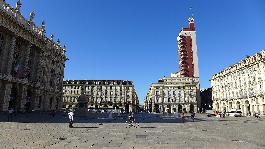
Turin sits quietly at the foot of the Alps, a city that feels both reserved and deeply layered. At first glance, it is defined by order—long, straight avenues, elegant arcades stretching for kilometers, and a calm rhythm that contrasts with the intensity of more crowded Italian destinations. But beneath that composure lies a place rich with history, intellectual life, and subtle beauty.
The architecture reflects its past as a royal capital, with grand squares and palaces that suggest power without excess. Soft light settles over the city in the late afternoon, catching on baroque facades and the distant snow of the mountains. The Po River moves slowly along the edge of the city, adding a sense of openness and quiet movement.
Turin’s atmosphere is thoughtful rather than flashy. It is a city of cafés where people linger, of bookstores and galleries tucked into side streets, and of conversations that stretch over strong coffee or a glass of wine. There is a certain seriousness here, but it is balanced by warmth—especially in its food culture. Rich dishes, chocolate traditions, and carefully prepared aperitivo reflect a deep appreciation for craft and flavor.
Walking through Turin feels like moving through layers of time. Industrial heritage exists alongside aristocratic elegance, and modern life blends seamlessly into centuries-old surroundings. It is not a city that demands attention; instead, it reveals itself gradually, rewarding patience with depth and authenticity. |
|



 Greek
Greek  English





 Map
Map