ISPICA ISPICA
 |
|
|
Ispica lies in the southeastern corner of Sicily, where the landscape begins to soften into sunlit plains and the influence of the sea is never far away. The town carries a warm, lived-in feeling, shaped by history, agriculture, and a slower rhythm that reflects the island’s deeper character.
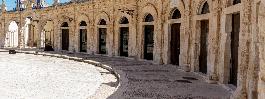
The historic center shows traces of its past, especially the rebuilding that followed the devastating 1693 Sicily earthquake. As a result, much of Ispica has a restrained Baroque style—elegant but not overwhelming—seen in its churches, stone facades, and quiet piazzas. Life unfolds gently here, with locals gathering in the evenings, voices echoing softly through the streets.
Just beyond the town lies one of its most distinctive features, the Cava d'Ispica, a long, rugged canyon that cuts through the landscape. It feels almost hidden, a place where layers of history are carved into the rock itself. Ancient dwellings, early Christian catacombs, and traces of past civilizations sit quietly among the cliffs, giving the area a sense of continuity that stretches far beyond the present.
Not far away, the coastline opens up into wide, sandy beaches along the Mediterranean. The sea here is calm and bright, with long stretches of shoreline that feel relatively untouched. Compared to more crowded Sicilian destinations, this part of the coast offers space and stillness, especially outside peak summer months.
Ispica is also tied closely to the land. Agriculture plays a central role, and the surrounding fields produce vegetables, citrus, and other staples that shape the local cuisine. Meals tend to be simple but deeply flavorful, reflecting both the fertility of the region and the traditions passed down over generations.
What stands out about Ispica is its quiet authenticity. It doesn’t demand attention, nor does it try to reinvent itself for visitors. Instead, it offers a layered experience—history embedded in stone, nature carved into the earth, and everyday life unfolding at its own steady pace under the Sicilian sun. |
|



 Greek
Greek  English





 Map
Map