PORTOFERRAIO PORTOFERRAIO
 |
|
|
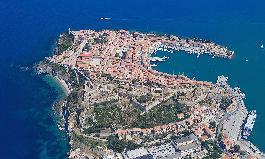
Portoferraio sits along a natural harbor on the island of Elba, where history and sea life fold into one another with quiet intensity. As the main gateway to the island, it carries a sense of arrival—ferries glide into a deep, sheltered bay lined with pastel buildings that rise in tiers above the water.
The old town climbs upward from the port, its narrow streets winding through layers of fortifications built during the Medici era. Massive stone walls, bastions, and ramparts still define the skyline, giving the town a structured, almost protective feel. From above, the view opens wide: terracotta roofs, anchored boats, and the shifting blues of the Tyrrhenian Sea.
Portoferraio is closely tied to Napoleon Bonaparte, who spent his exile here in the early 19th century. His residences—Villa dei Mulini and Villa San Martino—remain part of the town’s identity, adding a layer of historical gravity to an otherwise relaxed coastal setting.
Along the waterfront, daily life unfolds at an unhurried pace. Fishing boats return with their catch, cafés spill out toward the harbor, and the light changes constantly, reflecting off both water and stone. Just beyond the center, small beaches with clear, calm water invite a slower rhythm, where the town’s presence fades into the background.
What makes Portoferraio distinctive is its balance: it is both a working port and a place shaped by centuries of defense, exile, and maritime life. The atmosphere is grounded and authentic, where the past is visible in the architecture, but the present is carried by the steady movement of the sea. |
|



 Greek
Greek  English





 Map
Map