GENOA GENOA
 |
|
|
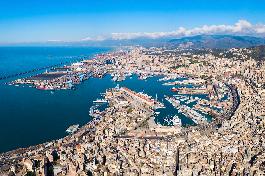
Genoa is a city that feels like it was built in layers of time, each one still quietly alive. Set along the Ligurian coast in northwestern Italy, it stretches between the sea and steep hills, creating a place where narrow medieval alleys suddenly open to grand palaces or glimpses of blue water. It is not polished in the way some Italian cities are; instead, it carries a raw, authentic character shaped by centuries of trade, maritime power, and everyday life.
The historic center is one of the largest in Europe, a dense maze of “caruggi” — tight, shadowy streets where laundry hangs overhead and small shops spill out onto worn stone paths. Walking here feels immersive and unpredictable. You might turn a corner and find a quiet square, a centuries-old church, or a hidden café filled with locals. The air often carries the scent of the sea mixed with fresh focaccia, a simple but iconic specialty that Genoa does better than almost anywhere else.
Above the old town, the city climbs upward. Elegant palaces from Genoa’s golden age line the Strade Nuove, reflecting its past as a powerful maritime republic. These buildings, once homes to wealthy merchant families, contrast with the humbler streets below, telling a story of wealth and movement that defined the city for centuries.
The harbor is still the heart of Genoa. Ships, ferries, and yachts move constantly, echoing its long seafaring tradition. The revitalized port area blends old and new, with modern structures sitting beside historic docks. It’s a place to watch the rhythm of the city unfold, especially at sunset when the light softens the edges of the industrial skyline.
Genoa is also a city of viewpoints. Funiculars and steep stairways lead to higher neighborhoods where the city reveals itself in layers — terracotta roofs, church domes, and the wide curve of the sea. From above, it feels both vast and intimate, complex yet cohesive.
What makes Genoa unique is its honesty. It doesn’t try to impress at first glance, but rewards those who take time to explore. It’s a place of contrasts: dark and bright, grand and modest, chaotic and calm. And through it all, there is a strong sense of identity — a city shaped by the sea, still deeply connected to it, and quietly proud of its past. |
|



 Greek
Greek  English






 Map
Map