PHILLIPINES PHILLIPINES
 |
|
PHILLIPINES AREAS
EL NIDO
|
|
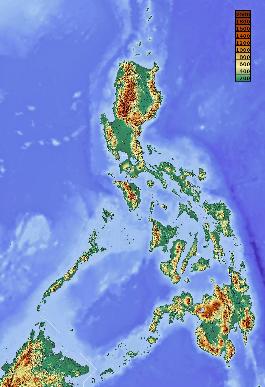
The Philippines is an archipelago of more than 7,000 islands where tropical topography, maritime culture, and layered history converge. Visitors encounter a mix of turquoise lagoons, karst limestone cliffs, volcanoes, and rice-terrace highlands—an unusually dense set of landscapes in a relatively compact geography.
Destinations & Terrain
Palawan: El Nido and Coron offer iconic karst formations, island-hopping, and clear-water snorkeling over WWII shipwrecks. Cebu & Bohol: Cebu combines urban amenities with reef-fringed beaches; Bohol features the Chocolate Hills and riverine ecotourism. Luzon Highlands: The Cordillera mountain range hosts Banaue and Batad rice terraces (UNESCO-listed) and trekking culture. Volcanic South: Mayon Volcano and Mount Apo provide climbing and geothermal landscapes.
Culture & History
Centuries of Austronesian seafaring, Spanish colonial rule, American influence, and regional trade yield a distinct cultural syncretism. English is widely spoken, and hospitality is a notable social norm. Religious festivals (“fiestas”) and foodways—lechon, adobo, halo-halo, regional seafood—shape daily life and travel experiences.
Climate & Seasonality
The climate is tropical monsoon. Best weather for coastal travel typically falls between December–May, with typhoon exposure peaking in August–October. Conditions vary by region; the Visayas often retain better mid-season reliability.
Activities
Snorkeling, diving (the Coral Triangle), island-hopping, trekking, caving, and volcanology-oriented excursions are common. Marine biodiversity is high, including whale sharks in Donsol (more regulated) and Oslob (touristic, ethically debated).
Logistics
Domestic air travel reduces inter-island transit time. Cash is still relevant outside major cities. Sim cards and data are inexpensive; connectivity in rural islands can be intermittent. Safety conditions are generally good in mainstream tourist corridors, with localized advisories in remote areas.
|
|



 Greek
Greek  English