
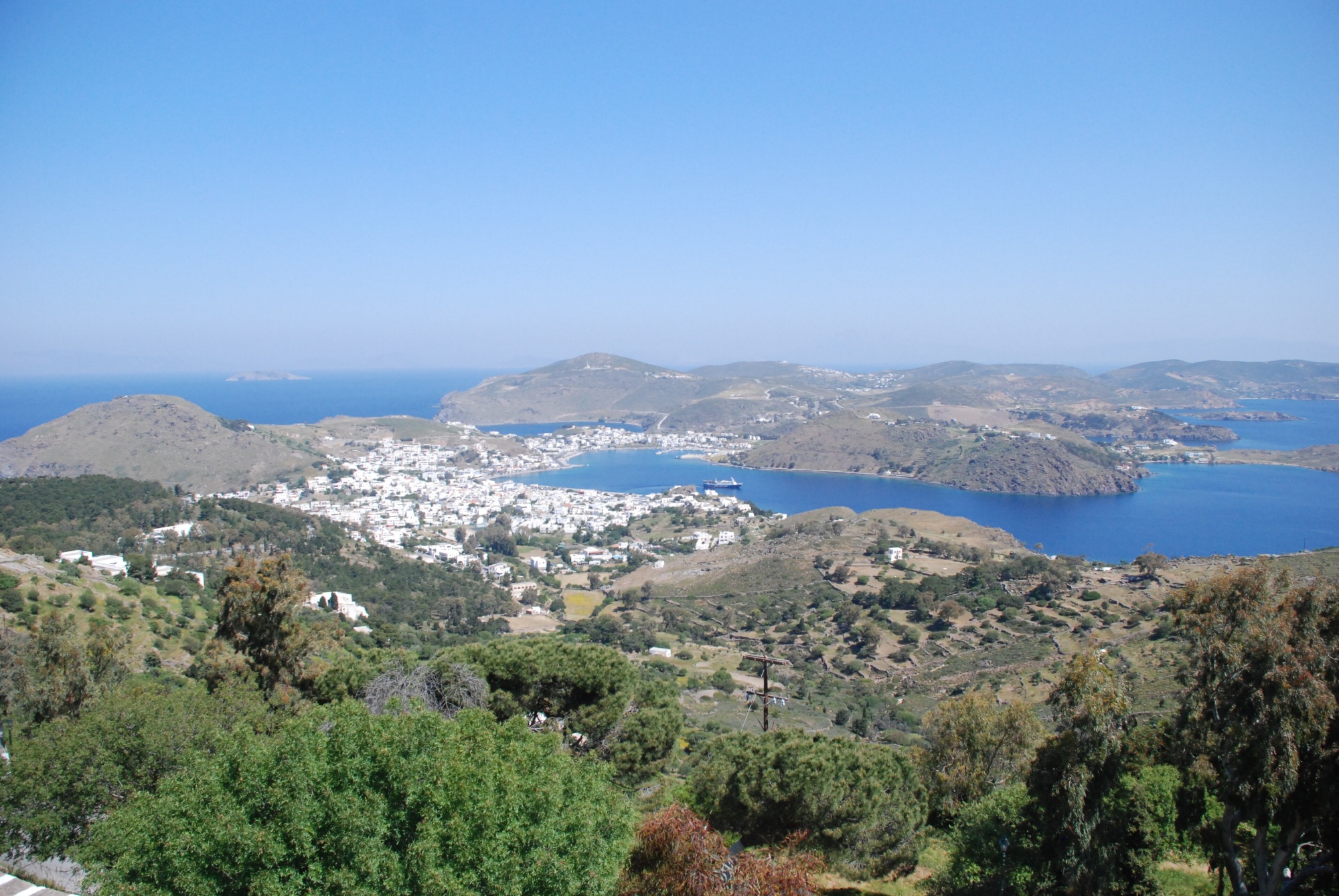
Patmos, the northernmost island of the Dodecanese, is a destination of global cultural and spiritual significance. Frequently referred to as the "Jerusalem of the Aegean," it is famously known as the place where Saint John the Theologian was exiled in 95 AD and subsequently authored the Book of Revelation. The island radiates a unique, tranquil energy, seamlessly combining religious reverence with high-end elegance and striking architectural heritage.
The crown jewel of Patmos is its magnificent Chora (main town), which has been designated a UNESCO World Heritage site. Developed around the towering, fortress-like Monastery of Saint John the?Theologian-founded in 1088-Chora is widely considered one of the most aristocratic and well-preserved medieval settlements in the Aegean. It features a labyrinth of narrow cobblestone alleys, whitewashed facades, grand stone sea-captain mansions, and vaulted arches. Halfway along the road between Chora and the harbor town of Skala lies the Holy Cave of the Apocalypse, the sacred grotto where Saint John received his divine visions, offering a profoundly moving experience for visitors from all over the world.
Beyond its deeply rooted spiritual character, Patmos is a sophisticated summer destination offering a cosmopolitan yet low-profile atmosphere. Skala, the island's bustling port and social hub, is lined with exceptional waterfront tavernas, boutique shops, and cafes. The island's coastline boasts pristine, crystal-clear beaches, such as the organized bay of Kampos, picturesque Agriolivado, quiet Vagia, and the famous Psili Ammos in the south, accessible primarily by boat or a scenic hiking trail. By strictly regulating its development, Patmos has beautifully preserved its raw natural beauty, making it a peaceful sanctuary in the heart of the Aegean.