
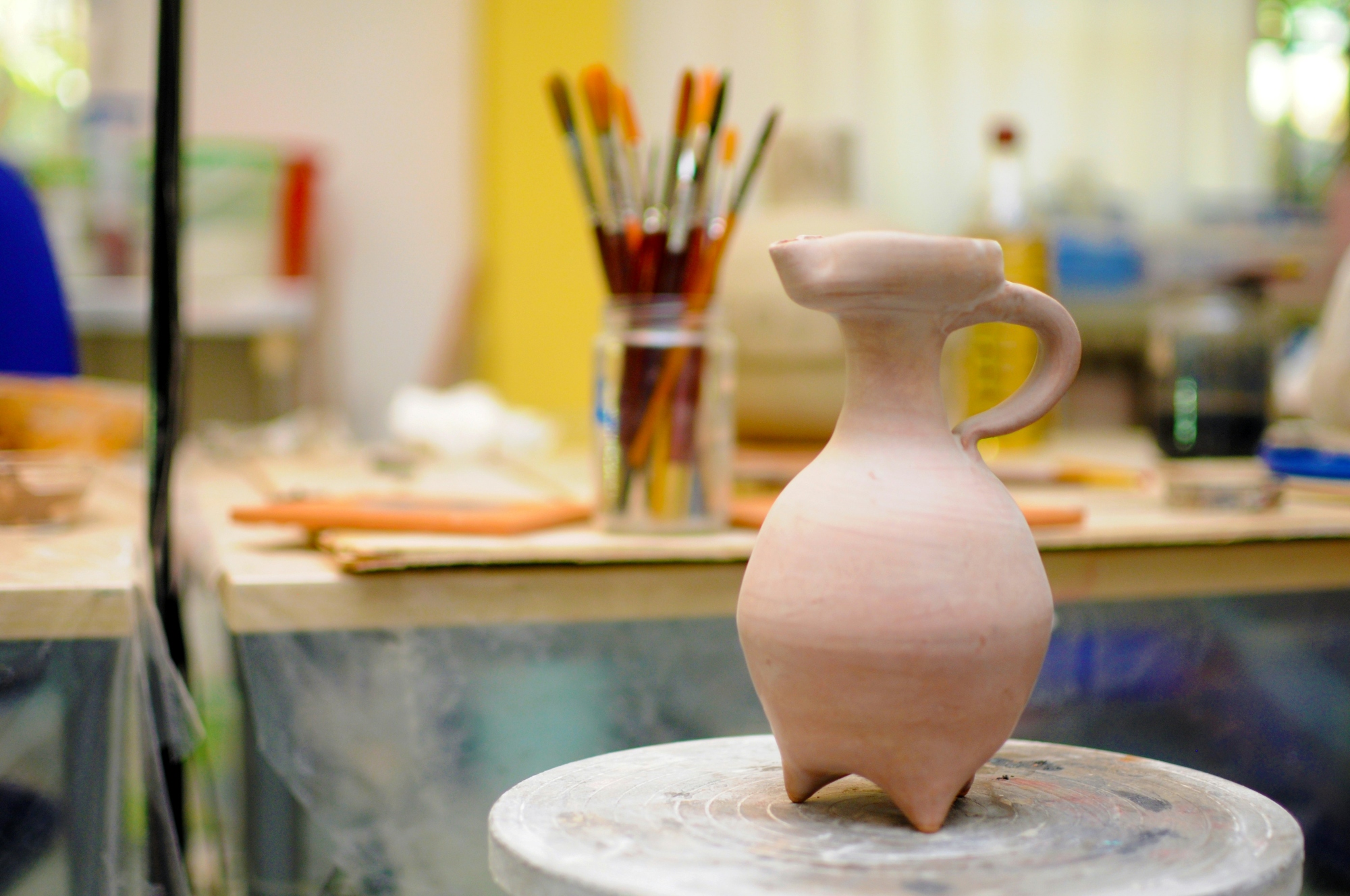
In antiquity, besides its world-renowned white marble, Paros boasted a highly developed tradition in the art of pottery. Archaeological excavations on the island have brought to light the remains of ancient ceramics workshops (potteries), dating from the Cycladic and Geometric periods through to the Hellenistic era. These workshops, typically established near sources of water and clay, were the heart of local production, supplying the island and surrounding regions with both utilitarian and decorative clay objects.
Within the sites of these ancient workshops, archaeologists have identified the characteristic infrastructure used by the craftsmen of the era. Excavations have revealed circular or rectangular ceramic kilns for firing the vessels, basins for purifying the clay, and waste pits where defective or broken items were discarded. The findings, which range from simple everyday kitchenware and storage amphorae to intricate figurines and luxury pottery, demonstrate the high technical skill and artistic sensitivity of Parian potters.
The study of Paros' ancient pottery workshops provides valuable insights into the island's economic and commercial activity in the Aegean. The discovery of Parian vessels in other regions of the Mediterranean confirms that ceramics were a dynamic export product alongside the island's famous marble. Today, most of the portable finds from these workshops are preserved and displayed at the Archaeological Museum of Paros, allowing visitors to admire firsthand the continuity of a craft that defined the cultural heritage of the Cyclades.